Common issues and simple checks you can do
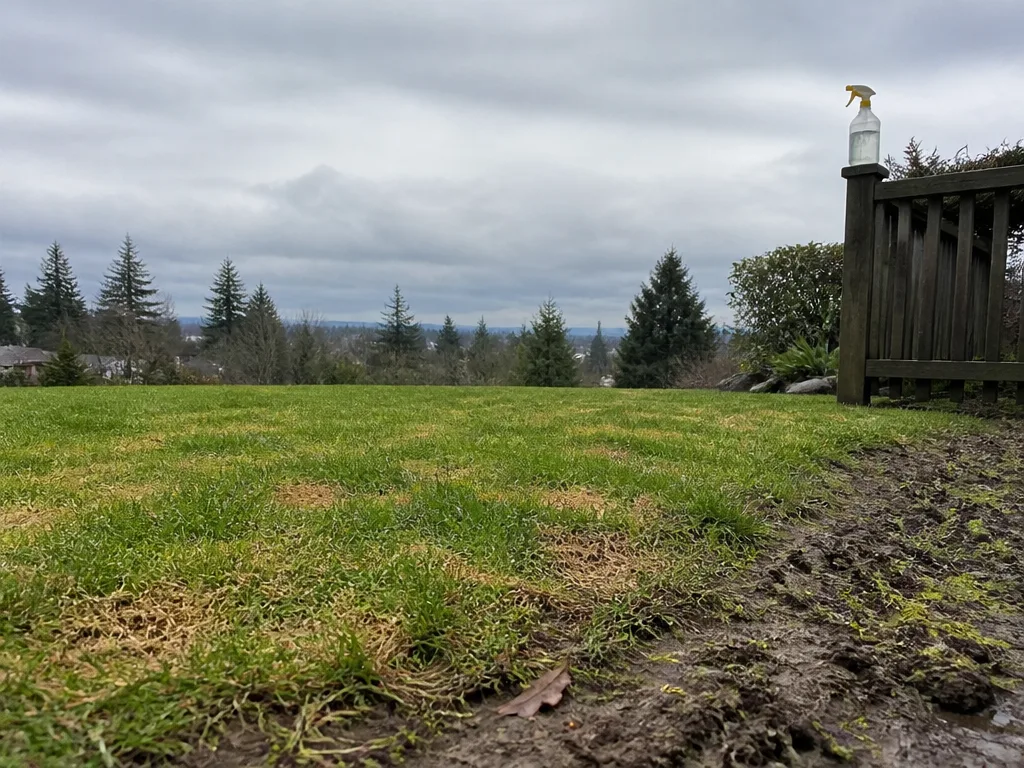
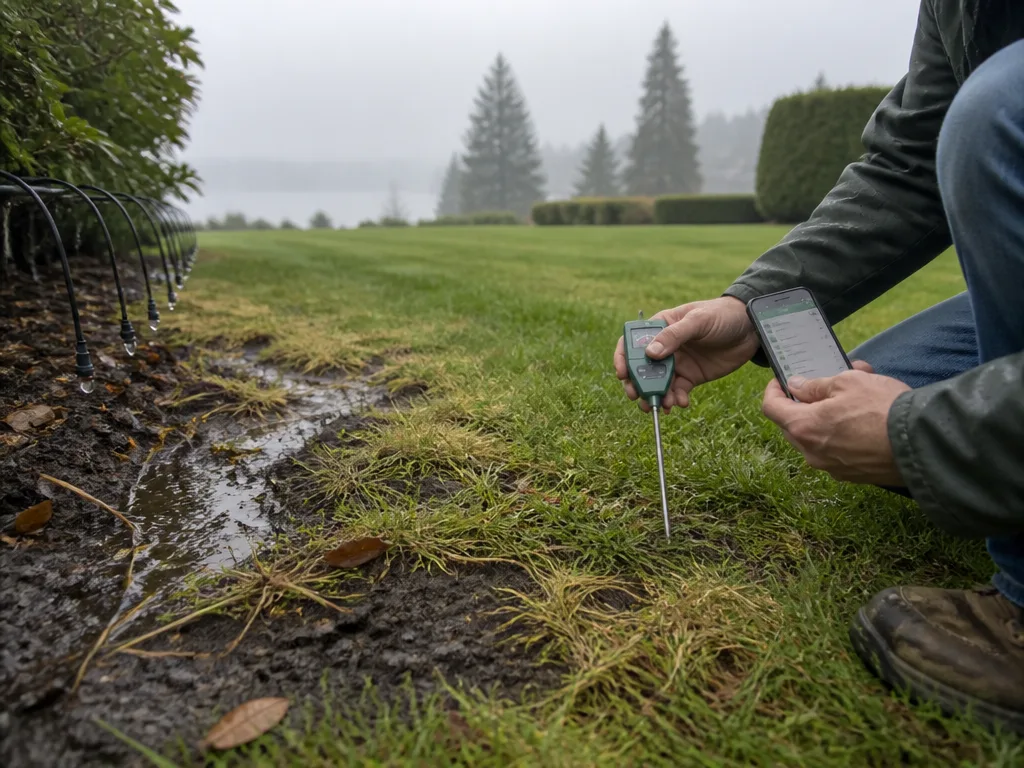
Across Washington, a lot of lawn problems start with simple observations. Start with soil moisture. If the soil stays soggy long after rain or watering, you could be dealing with poor drainage or overwatering. If it dries out fast, irrigation timing might be off. Check for color changes and edge growth; these often signal nutrient gaps or compacted soil that can limit root growth.
Another frequent factor is mowing height. In Washington’s varied climate, cutting grass too short makes it easier for weeds to take hold and stresses the turf. A steady mowing height appropriate for your grass type helps the lawn weather hot spells and wet periods alike.
Finally, don’t ignore seasonal patterns. In Washington, springs can be wet and springs can be dry. A quick soil test can reveal pH levels and nutrient needs that aren’t obvious from surface checks alone.
DIY steps to try before calling a pro
First, adjust irrigation based on weather and soil moisture. Aim for deep, infrequent watering rather than shallow, frequent cycles. Second, raise mowing height by a notch or two to protect roots and cool the soil. Third, apply a light, even layer of compost or a balanced fertilizer if your soil test indicates a need for nutrients. Do these steps on a calm, dry day to avoid run-off.
If you’ve done these basics and still see thinning, yellowing, or slow recovery across Washington, it’s time to call a pro. Our lawn care specialists bring soil science and climate-aware agronomy to the table, and we treat every yard with a careful, measured plan rather than guesswork.
When to schedule a professional visit
Consider a pro if you notice persistent weak growth, large bare patches, or if your lawn isn’t responding to routine care after a couple of seasons. A professional assessment can identify compaction, drainage issues, or nutrient imbalances that aren’t obvious from the surface.
With statewide reach, Washington Tree Removal can send a lawn care specialist to assess and tailor a plan for any corner of Washington. We’ll review soil health, irrigation, grass type, and seasonal timing to build a practical, ongoing approach.
Bottom line
DIY can cover the basics, but for stubborn or recurring problems across Washington, a professional plan keeps your lawn healthy year after year.